

If you’re having trouble justifying your views, you should be trying to investigate the premeses and evidence to challenge and elaborate your own understanding. Starting with a conclusion you like and then asking for reasons to justify it is intellectually impoverished; leave that kind of investigation to the talking heads on the payroll of various countries’ state departments.
By doing a proper investigation, you’ll have a much better understanding and be able to approach the conversation in a way that’s tailored to your audience. Your views may even change, and that’s not a bad thing!
(As an aside, in the left-Lemmyverse “Ukraine bad” positions can range everywhere from “The Ukrainian government is corrupt and throwing its citizenry into a meatgrinder” all the way to “Ukraine is a fake country composed of Nazis that should be wholly annexed into Russia”. I’ve seen this whole spectrum over the past few years on Hexbear and Lemmygrad.)
For good places to start with interrogating liberal “pro-Ukraine” support, I have some decent articles I can point you towards:
- Here’s an article from last year that interrogates the war’s justifications (I’ll note that this article is also critical of Russian war justifications): https://cosmonautmag.com/2024/11/ukraine-will-be-a-war-without-victors/
- Another more recent article which attempts to tackle the question “[W]hat to say to an idealistic leftwing friend who has become wracked by the idea of flying to Kyiv and fighting the good fight in Ukraine?”: https://eventsinukraine.substack.com/p/why-you-shouldnt-fight-in-ukraine
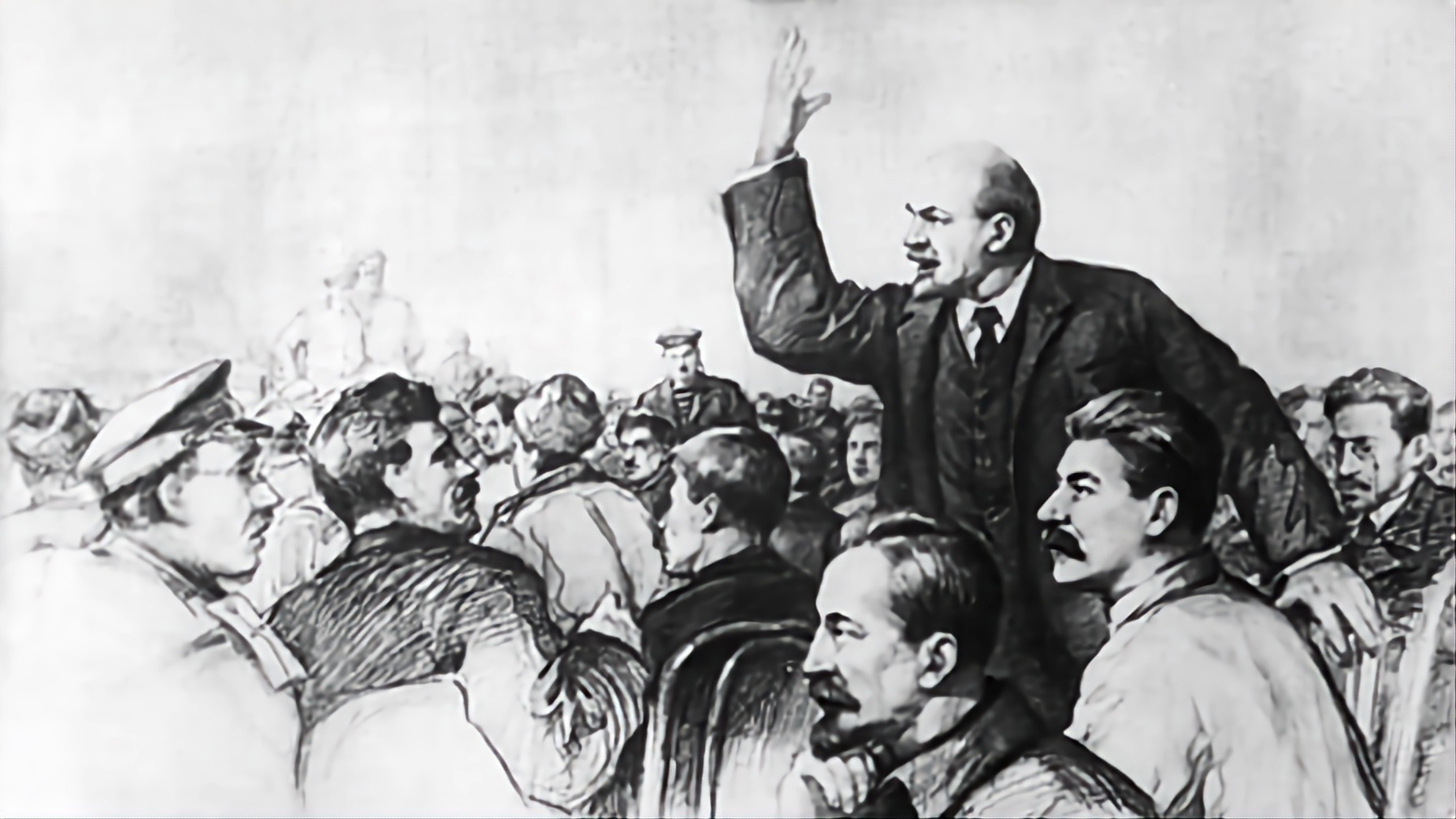
I think a ‘How we got here’ that mentions the referendum on preserving the USSR and calls the dissolution “illegal and undemocratic” but alao doesn’t mention the subsequent Ukrainian referendum on gaining independence is poorly done. This is what I was warning about in my other comment becase one is working backward from a conclusion. Everything in this post can be true but still not paint an accurate enough picture of the situation because of what it might be omitting, and the omission early on in the post throws the rest of it into doubt.
I’ll focus on the referendum part because that’s early on and an easy example. (Apologies in advance for playing Devil’s Advocate for a bit.)
It can both be true that the USSR was illegally dissolved and that Ukraine left the USSR legally.
Citizens of the Ukrainian SSR voted overwhelmingly (except in Crimea, but there it was still a majority) to declare independence from the USSR on 1 December 1991. The referendum on preservation was earlier that year in March. Even if the dissolution of the USSR on 26 December 1991 was illegal, that’s not relevant. If you exercise your legal right to leave an organization and then a few weeks later the organization illegally self-dissolves that has no bearing on you.
The wordiness of the preservation referendum question arguably makes the whole resolution contingent. It’s not hard to say “The citizens of the Ukrainian SSR saw in the months after the preservation referendum that the USSR wasn’t heading in the direction laid out in the language of the referendum, so they voted to leave.”
The two referendums don’t necessarily contradict each other. Mentioning one without addressing the other is cherry-picking and lying by omission. (At best it’s a regurgitation of a point made about the fall of the USSR without knowing the specific bearing that has on Ukraine in particular, jn which case someone is speaking more confidently about the history than they have any right to.)
We need to do better than this.