

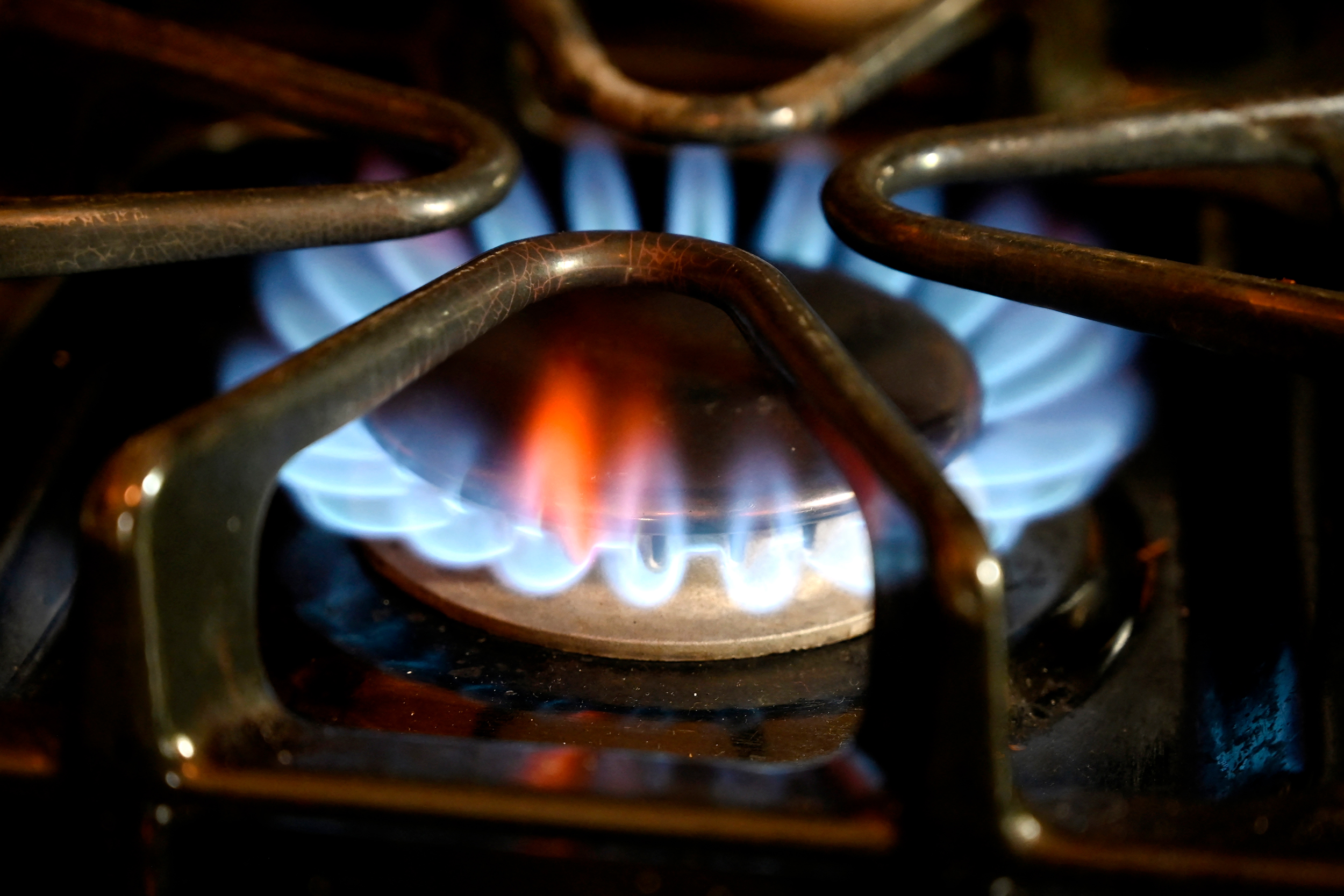
The common kitchen appliance plays an outsized role in exposure to nitrogen dioxide, a toxic air pollutant.
Pollution from gas stoves accounts for more than half of some [US] Americans’ total exposure to nitrogen dioxide (NO2), a toxin linked to asthma, a study in the academic journal PNAS Nexus concludes. The findings, published this month, provide the first nationwide, community-level estimates of residential NO2 exposure.
it matters for cooking in a wok because of the shape, and you have more fine control over the heat when it’s a gas knob instead of an electric thing that cycles on and off.
in some places being able to cook when the electricity goes out is nice.
They do make induction wok burners!
Gas is definitely more accessible but I figured I’d mention for other wok enjoyers who do not know
Do they make induction wok burners where you can constantly toss the wok while the induction element still works? Last I saw, the induction wok has to be stationary to heat.
I have electric, would prefer induction, and the only case I’d really want gas is to quickly char peppers directly over the flame.
Not sure, I think that induction in general requires really close proximity. You can definitely spin the wok / toss to some extent but it is lacking in some movement.
One of those tradeoffs where it’s a lot more convenient if you’re not using a wok every day because it stows away in a drawer